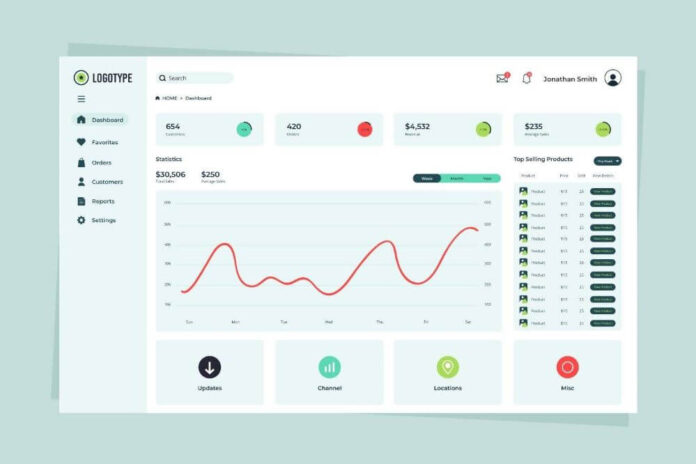

At your portfolio size, cash management stops being a passive function. It becomes a system-level constraint. Rent flows in across multiple LLCs. Security deposits sit in separate accounts. Operating reserves fluctuate by property. And yet, most investors still rely on fragmented banking setups that were never designed for multi-entity rental portfolios. This is where visibility gaps start to compound. Idle cash sit in low-yield bills.
Transfers between entities create timing mismatches. And reconciliation across accounts adds unnecessary friction during tax season. A well-structured Hysa dashboard can shift this dynamic. It consolidates liquidity, clarifies yield performance, and aligns cash positioning with portfolio-level strategy without introducing operational drag. The question is not whether to optimize savings. It is how to do it without increasing complexity across your existing structure.
The Hidden Cost of Fragmented Cash Management
As your units scale, the number of accounts often scales with them. Each LLC may have its own operating account. Some investors maintain separate accounts for deposits, capex reserves, and tax escrow. While this structure supports legal separation, it introduces financial fragmentation.
Most traditional banks are designed around single-business relationships. They are not optimized for investors managing multiple entities with shared oversight. The result is a patchwork of logins, statements, and balances that require manual aggregation. At a certain point, this fragmentation creates measurable costs:
- Idle cash earns below-market yield
- Transfers between accounts delay deployment
- Reconciliation across entities consumes time during Schedule E preparation
- Liquidity planning becomes reactive instead of strategic
According to the Federal Deposit Insurance Corporation, average savings account rates remain significantly below high-yield alternatives in most retail banking environments. For a portfolio generating $10,000 or more in monthly rent, even small yield differences translate into meaningful annual impact.
What a HYSA Dashboard Actually Solves
A high-yield savings structure alone is not enough. The value emerges from how that structure is surfaced and managed. A dashboard layer changes the role of savings from static storage to active capital allocation. At your portfolio size, the dashboard should provide:
- Real-time visibility across all entities
- Aggregated yield tracking
- Clear segmentation between operating funds and reserves
- Automated allocation rules tied to inflows
This shifts the investor’s role from monitoring balances to managing outcomes. Instead of checking multiple accounts, you see portfolio-level liquidity in one view. Instead of estimating reserve coverage, you can quantify it across properties. And instead of manually sweeping funds, the system can apply predefined logic. This is not a feature upgrade. It is a structural improvement in how capital is managed across a rental portfolio.
Aligning Savings Strategy With Portfolio Structure
Across multiple LLCs, the goal is not to eliminate separation. It is to reduce the operational burden of maintaining it. A well-designed Baselane savings dashboard respects entity boundaries while providing centralized visibility. This distinction matters. Many generic accounting tools can aggregate data, but they require manual imports or reconciliation workflows that break down at scale. At your portfolio size, you need alignment between:
- Banking structure
- Bookkeeping logic
- Tax reporting requirements
When these systems are disconnected, every month-end close becomes more complex. When they are aligned, reporting flows naturally into Schedule E categories without additional manipulation. For example, reserve allocations can be tagged at the property or entity level. This Allows you to track, not just overall financial savings; however, for Purpose-driven balances such as
- Maintenance reserves
- Vacancy buffers
- Property tax escrow
The dashboard becomes a financial control layer, not just a reporting tool.
Why Traditional Systems Create Friction at Scale
Most financial tools used by landlords fall into three categories:
- Traditional banks
- Generic accounting software
- Property management systems
Each serves a purpose. None are designed specifically for multi-entity rental finance. Traditional banks prioritize account-level services. They are not structured to provide portfolio-level insights across LLCs without manual consolidation. Generic accounting software focuses on ledger accuracy. Even the best tax software or generic ledger tools often require manual bank feeds, categorization rules, and reconciliation steps that add overhead as transaction volume increases.
Property management systems emphasize tenant operations. Financial features are typically secondary and may not support advanced cash allocation strategies. At your portfolio length, these structures can coexist, but they do not often combine in a manner that reduces workload. Instead, they devise parallel processes that require coordination. This is where purpose-built financial infrastructure begins to matter.
The Role of Purpose-Built Rental Finance Systems
Purpose-built systems are designed around the structure of rental portfolios. They recognize that investors operate across entities, properties, and accounts simultaneously. In place of layering additional tools on top of present workflows, these structures align middle capabilities:
- Banking
- Bookkeeping
- Reporting
Some investors are using platforms to centralize rental banking across multiple LLCs while maintaining entity-level separation. The important distinction is architectural. Rather than forcing condominium operations into fashionable-cause structures, those platforms are constructed around landlord-particular workflows consisting of lease collection, online rental applications fee categorization, and Schedule E alignment. This reduces the need for manual reconciliation and creates a greater cohesive economic environment.
How to Evaluate a HYSA Dashboard for Portfolio Use
Not all dashboards are created equal. At your scale, the evaluation criteria should go beyond interface design. Focus on structural capabilities:
Entity-Level Segmentation
The system should allow you to view balances by LLC while also providing a consolidated portfolio view.
Automated Allocation Logic
Look for the ability to route incoming funds into predefined categories. For example, a percentage of rent could automatically move into reserves.
Yield Transparency
The dashboard should clearly show how much interest is being generated and where funds are allocated.
Integration With Bookkeeping
Savings movements should flow into your accounting records without requiring manual entries.
Tax Alignment
Categories should map cleanly to IRS reporting structures, particularly Schedule E line items. If any of these elements require workarounds, the system may not scale effectively with your portfolio.
Operational Impact Over Time
The benefits of a well-implemented savings dashboard compound over time. In the short term, you gain visibility. You can see where your cash sits and how it performs. In the medium term, you reduce operational workload. Month-end processes become faster because data flows through a unified system.
In the long term, you improve capital efficiency. Idle cash is minimized. Reserves are properly allocated. And liquidity decisions are based on real-time data rather than estimates. For buyers managing 10, 20, or greater units, these upgrades translate into measurable consequences:
- Higher effective yield on cash balances
- Reduced time spent on financial administration
- More accurate forecasting across properties
This is not about incremental optimization. It is about removing structural inefficiencies that limit scalability.
Common Implementation Mistakes
Even experienced investors can introduce friction when adopting new financial systems. The most common issues include:
Overlapping Account Structures
Maintaining redundant accounts across systems can recreate fragmentation instead of eliminating it.
Manual Overrides
Continuing to move funds manually instead of relying on automated rules reduces the value of the dashboard.
Incomplete Categorization
If savings allocations are not properly tagged, reporting benefits are lost during tax preparation.
Lack of Standardization
Different LLCs using different processes can create inconsistency that complicates portfolio-level analysis.
At your portfolio size, consistency matters more than customization. A standardized approach allows systems to operate efficiently across all entities.
Integrating Savings Into a Broader Financial Strategy
Savings should not be treated as a separate function. It is part of a broader financial strategy that includes:
- Cash flow management
- Expense tracking
- Tax planning
- Capital deployment
A dashboard that integrates those factors lets in you to make selections with complete context. as an example, you may evaluate whether or not excess reserves ought to remain in savings or be redeployed into belongings improvements. You can assess how upcoming tax obligations impact liquidity. And you can adjust allocation rules based on portfolio performance. This stage of coordination is tough to reap with disconnected structures.
Looking Ahead: The Strategic Role of Liquidity in Portfolio Growth
As your portfolio keeps to extend, liquidity turns into a strategic lever rather than a passive guard. access to well-positioned cash determines how quick you may reply to possibilities inclusive of off-market acquisitions, time-sensitive renovations, or pricing modifications in competitive condominium markets. A based HYSA dashboard supports this shift by way of making liquidity visible and actionable throughout your whole portfolio.
rather than retaining excess reserves in disconnected debts, you could compare capital availability in actual time and align it with ahead-looking selections. This reduces reliance on reactive financing and allows you to function with extra precision. through the years, this method influences extra than simply financial savings performance. It shapes the way you underwrite new deals, how you propose capital costs, and the way you manage risk throughout homes. Investors who treat liquidity as an integrated component of portfolio strategy tend to operate with more flexibility and fewer constraints.
Conclusion
As your rental portfolio grows, the complexity of dealing with cash increases faster than the variety of units. Fragmented banking structures, manual reconciliation, and restricted visibility create inefficiencies that compound through the years.A well-designed HYSA dashboard addresses those challenges via centralizing visibility, automating allocation, and aligning financial savings along with your broader monetary shape.
It transforms savings from a passive holding area into an active component of portfolio strategy. For investors operating across multiple LLCs, the goal is not simplification at the expense of structure. It is alignment. while your banking, bookkeeping, and reporting systems paintings collectively, you reduce operational friction and advantage clearer manage over your capital. That is where meaningful efficiency begins.
Author Bio
The author is a US-based fintech strategist specializing in rental property finance systems and multi-entity portfolio operations. Their work focuses on aligning banking, bookkeeping, and tax reporting for experienced real estate investors.