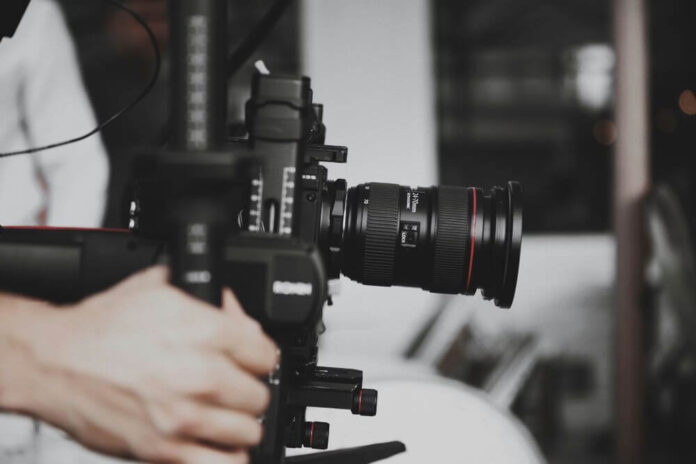

Not long ago, making a professional video meant booking a studio, hiring a crew, renting equipment, and spending days in post-production. Today, someone with a laptop and a decent AI tool can produce content that would have required a full production team just five years ago. The shift has been dramatic — and it’s still accelerating.
So what exactly changed? And what does it mean for creators, marketers, and businesses trying to stay competitive?
The Old Way: Expensive, Slow, and Gatekept
Traditional video production has always had a high barrier to entry. A basic commercial shoot could run anywhere from a few thousand to tens of thousands of dollars once you factor in pre-production planning, talent, location fees, equipment rental, and editing hours. Even for smaller projects, a competent editor working in Premiere Pro or Final Cut Pro needed significant time to cut footage, color grade, mix audio, and export deliverables.
The skills required were specialized. The software had steep learning curves. And if a client wanted revisions, that meant more hours and more invoices. The whole process was designed around professionals — which meant it was largely inaccessible to independent creators, small businesses, and anyone working with a tight budget.
That gatekeeping wasn’t malicious. It was simply the reality of what high-quality video production required.
What AI Changed About the Process
AI didn’t just speed things up. It fundamentally restructured where human effort is needed in the production pipeline.
Scripting and storyboarding used to require dedicated creative time before a single frame was shot. AI writing and image generation tools now let creators visualize concepts and draft scripts in minutes, compressing a process that once took days.
Footage generation is perhaps the most radical shift. Tools that convert references into video clips have removed the need for a camera, a location, and a crew for certain types of content entirely. A marketing team can generate a product visualization, a mood piece, or a concept teaser without leaving the office.
Editing and post-production have been transformed by AI-powered tools that automate tasks like scene cutting, background removal, subtitle generation, and color correction. What once required an experienced editor working for hours can now be handled in a fraction of the time.
Voiceover and audio no longer require a recording studio or a professional voice actor for every project. AI voice synthesis has reached a quality level where it’s genuinely usable for a wide range of content.
The cumulative effect is that the production timeline has collapsed. Projects that once took weeks can now take days. Projects that took days can now take hours.
The Creative Democratization Argument
One of the most significant consequences of this shift is who gets to make video content now. AI video tools have opened the door for solo creators, small business owners, educators, nonprofits, and independent filmmakers who previously couldn’t afford professional production.
A small business can now produce a polished promotional video without hiring an agency. A teacher can create engaging educational content without any technical background. An independent filmmaker can generate cinematic footage for a passion project on a shoestring budget.
This democratization is real, and it matters. Creativity is no longer gated by budget or access to equipment.
If you want a practical example of what modern AI tools can do, Pollo AI is worth exploring. It brings together a range of AI video tools in one place, letting you create everything from tribute videos and movie teasers to promotional clips and social content — without needing a production crew or a professional editing background. It’s a solid demonstration of how far accessible video creation has come.
What Traditional Production Still Does Better
AI hasn’t made traditional production obsolete — not yet, and probably not entirely. There are areas where human-led production still has a clear edge.
Live action footage of real people, real places, and real events carries an authenticity that generated content can’t fully replicate. Documentary filmmaking, journalism, and certain types of brand storytelling depend on genuine captured moments that no AI can fabricate credibly.
High-end commercial production also still benefits from the judgment, taste, and relationship-building that experienced directors and cinematographers bring to a project. A luxury brand campaign or a feature film isn’t something you hand off to an AI prompt and walk away from.
And there’s the question of originality. AI tools are trained on existing content, which means outputs can sometimes feel familiar or generic without careful creative direction. Human editors and directors bring intentionality, cultural awareness, and emotional intelligence that AI is still working to approximate.
The Hybrid Model Is Winning
The most effective creators and production teams aren’t choosing between AI and traditional methods — they’re combining both. AI handles the repetitive, time-consuming, or resource-heavy tasks, while human creativity focuses on strategy, storytelling, and quality control.
A production team might use AI to generate concept visuals during pre-production, shoot the actual footage traditionally, then use AI tools in post to accelerate editing and localize content for multiple markets. This hybrid approach captures the efficiency gains of AI without sacrificing the authenticity and intentionality that human production provides.
What This Means Going Forward
The gap between what’s possible with AI and what requires traditional production is narrowing every day. The range of content types that AI can handle competently keeps expanding. For creators and businesses, the practical takeaway is straightforward: if you’re not incorporating AI into your video workflow in some capacity, you’re working harder than you need to and likely spending more than necessary.
The camera crew isn’t going away. But the way they work, and what they spend their time on, has already changed permanently. The question isn’t whether AI has transformed video production. It clearly has. The question is how quickly you’re going to make it work for you.