
Shipping from China to the UK is rarely a simple choice between fast and slow. It is a choice between speed, cost, and planning. Air freight and sea freight both serve an important role, but they solve different problems. The right option depends on what is being shipped, how urgently it is needed, and how much flexibility the business has.
In 2026, that balance still matters. Supply chains are under pressure to stay lean, while buyers expect faster delivery and clearer updates. That makes shipping time more than a logistics detail. It becomes part of the business plan.
Why air freight is the faster option
Air freight is the clear choice when time is tight. It moves quickly, and it suits goods that need to arrive without delay. That makes it useful for urgent stock, high-value items, or time-sensitive orders.
It also helps when a business cannot afford long gaps in inventory. A late shipment can affect sales, customer service, and launch schedules. Air freight reduces that risk by shortening the journey. Unlike sea freight, where updates often rely on scheduling systems and tools such as vessel finder platforms to track container movements, air shipments are monitored in near real time, which improves visibility and planning accuracy.
The trade-off is cost. Air usually costs more than sea. So the real question is not whether it is faster. It is whether the speed is worth the price. For smaller shipments, critical parts, or goods with high value per kilogram, the answer is often yes.
Why sea freight still carries the volume
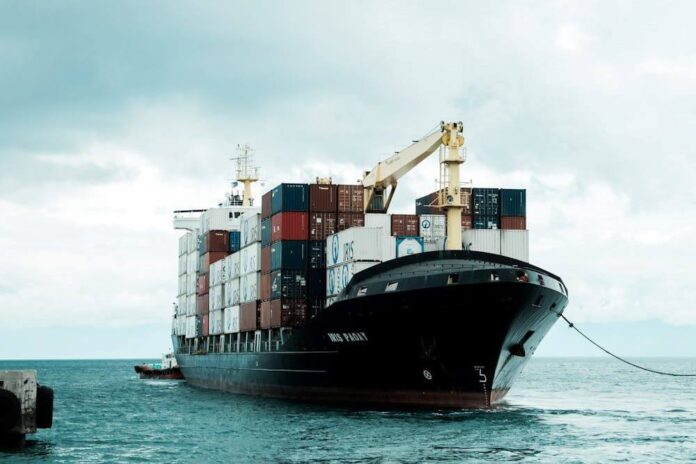
Sea freight remains the main choice for larger shipments. It is slower, but it usually offers better value when volume matters. That makes it the natural fit for bulk goods, full container loads, and planned inventory.
For many importers, sea freight is the smarter long-term option. It gives more room to control costs. It also works well when the shipment does not need to arrive right away. If the stock can be planned in advance, sea freight often makes more sense than paying extra for speed.
The main drawback is time. Sea freight can take weeks rather than days. That means businesses need stronger forecasting, better order planning, and a wider buffer for delays.
What affects shipping time in 2026
The transport mode is only part of the story. Several other factors can change how long the journey takes.
Route choice matters. Port traffic matters. Customs checks matter. Weather can also slow movement, especially at sea. Even the time spent waiting for loading, unloading, or clearance can add pressure to the schedule.
That is why two shipments with the same origin and destination can still arrive at different times. The line on the map may look simple. The process behind it is not.
When tracking becomes useful
Tracking becomes especially important once the shipment is on the move. For sea freight, that means watching the vessel itself. A vessel finder helps businesses follow the ship’s location, route, and estimated arrival. It reduces uncertainty and gives teams a clearer picture of what is happening in transit.
That kind of visibility matters. A delayed vessel can affect warehouse staffing, delivery windows, and customer updates. When the shipment is visible, the response can be faster and more accurate.
For businesses managing ocean freight, tracking is not just a convenience. It is part of control. It helps teams see the journey instead of guessing about it.
How to choose between air and sea freight
The best choice depends on the job the shipment needs to do.
Air freight is the better option when speed is essential. It works well for urgent goods, smaller shipments, and products with a tight launch date. Sea freight is the better option when the goal is to move larger volumes at a lower cost. It suits planned inventory and less urgent cargo.
Many businesses use both. Air covers the gaps. Sea supports the base flow. That mix gives more flexibility and keeps logistics from becoming too expensive.
A practical way to think about shipping time
The most useful question is not “Which mode is better?” It is “Which mode fits the shipment?”
If the timeline is short, air freight protects the schedule. If the timeline is longer, sea freight helps protect the margin. If the shipment is important enough to track closely, a vessel finder can make the sea route easier to manage from departure to arrival.
In the end, good shipping choices come from good planning. When businesses match the transport mode to the real need, they avoid waste and stay better prepared for the next step.