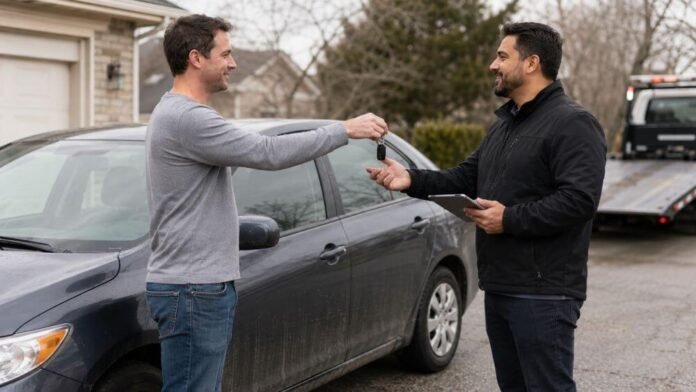

Selling a used vehicle in Toronto used to mean weeks of online listings, no-show buyers from across the GTA, and lowball offers in mall parking lots. That’s changing fast. A growing number of Toronto sellers now skip the private market entirely, turning instead to direct-purchase services like Top Cash for Cars, which buy vehicles outright — often within 24 to 48 hours — and handle pickup and paperwork anywhere in the city, from Etobicoke to Scarborough. The shift says a lot about where the Toronto used-car market is headed, and why convenience is starting to outweigh the last few hundred dollars of negotiating room.
Toronto’s Used-Car Market Has Its Own Rules
The GTA is Canada’s largest and most liquid used-vehicle market, which cuts both ways for private sellers. On one hand, there are more potential buyers within an hour’s drive than anywhere else in the country. On the other, there is more competition: at any given moment, thousands of nearly identical listings compete for attention on the same marketplaces, and buyers know it. A 2015 Corolla with average mileage isn’t scarce in Toronto — it’s a commodity, and commodities get negotiated hard.
Add the practical friction of selling in a city of three million: coordinating test drives across rush-hour traffic, meeting strangers in an era when most buyers insist on seeing the car in person, and finding safe, neutral locations for viewings. What takes one weekend in a smaller Ontario city can easily stretch into a month in Toronto.
What the Private-Sale Premium Actually Costs
Conventional wisdom says a private sale nets the highest price — typically 10–15% more than a trade-in or instant offer. But the gross number hides real costs, and in Toronto they are amplified:
Time. Photographing the vehicle, fielding dozens of messages (many of them automated lowball bots), scheduling viewings around GTA traffic, and accommodating test drives routinely adds up to 20–30 hours of effort.
Risk. Private sellers absorb the risk of fraudulent e-transfers, test-drive liability, and buyers who vanish after a deposit. Toronto Police periodically warn about marketplace scams targeting vehicle sellers specifically, and many sellers never check whether their insurance covers a stranger behind the wheel.
Paperwork. Ontario requires the seller to provide a Used Vehicle Information Package (UVIP) and complete the transfer portion of the ownership correctly. Getting it wrong can leave you legally attached to a vehicle you no longer possess — including its parking tickets and 407 ETR charges.
For a $9,000 car, a 12% private-sale premium is roughly $1,080. Spread across a month of effort and the associated risk, many Toronto sellers conclude the hourly rate simply isn’t worth it — especially for older or higher-mileage vehicles where the buyer pool thins out quickly.
Where Direct Cash Buyers Fit
Direct-purchase services occupy the middle ground Toronto’s market was missing: faster than a private sale, and often more competitive than a dealership trade-in, because these companies aren’t trying to move you into another vehicle. Their margin comes from wholesale channels and parts value, not from bundling your sale into a new purchase.
The model works particularly well in three common Toronto scenarios:
- End-of-life vehicles. Cars with mechanical issues or a failed safety are nearly impossible to sell privately, but still carry real scrap and parts value — and towing across the GTA is usually included in the offer.
- Time-sensitive sales. Relocations, condo moves where the parking spot disappears, estate settlements, and lease-gap situations where the vehicle needs to be gone this week, not this month.
- Downsizing to transit. A uniquely Toronto pattern: households near the subway or GO lines dropping a second car they no longer justify keeping, given insurance and parking costs in the city.
What Toronto Sellers Should Still Watch For
The instant-offer segment is growing, and like any growing segment, quality varies. A few practical checks before accepting any cash offer in the GTA:
- Get the offer in writing, including whether pickup is free anywhere in the GTA and whether the price is conditional on inspection.
- Confirm who handles the transfer. A reputable buyer completes the ownership transfer promptly and provides confirmation — protecting you from tickets and toll charges accrued after the sale.
- Compare at least two offers. Quotes are typically free and take minutes online, so there’s no reason to anchor on the first number.
- Never release the vehicle before payment clears. E-transfer or certified funds at pickup is the standard; anything else is a red flag.
The Bigger Picture
The used-car sale in Toronto is following the same trajectory as home selling and secondhand electronics: intermediaries that compress a multi-week process into a single transaction are winning share, and the premium consumers once demanded for convenience keeps shrinking as competition increases.
For Toronto sellers, that’s good news either way. Whether you chase the private-sale premium or take the instant-offer route, both options now compete for your vehicle — which means better prices, faster service, and fewer parking-lot negotiations nobody in this city has time for.