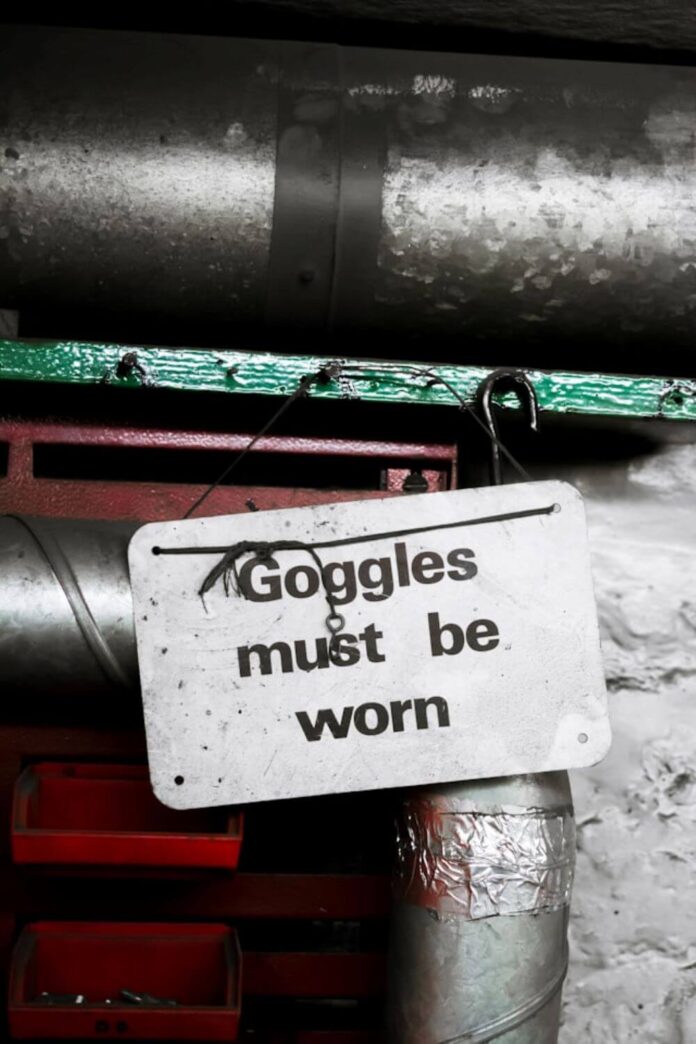

Engineering and fabrication workplaces can be dangerous, so safety must be taken seriously every day. Heavy machines can cause serious injuries, which is why regular maintenance and safety checks are important. Workers may also handle strong chemicals, so strict safety rules must always be followed.
Protecting employees is not just about following rules. It keeps workers safe and helps the business run smoothly. Good safety practices can prevent injuries and avoid legal or financial problems.
Managing these risks means doing regular risk checks, maintaining equipment, and giving proper training to workers. When businesses focus on safety, they can prevent accidents and create a safer workplace for everyone.
Identifying Common Hazards
Spotting hazards is at the heart of workplace safety in engineering. Machinery tops the list, with thousands hurt every year. Keeping equipment in good condition means checking it daily and sticking to a regular servicing schedule. All safety features, like guards and emergency stops, should work as expected, and no one should use machinery without the right training. Simple things like wearing safety goggles or making sure loose clothing is out of the way can be life-saving.
Vehicles, like delivery lorries and forklifts, come with their own set of risks. Clear signage and well-marked pedestrian paths help prevent nasty surprises. Only trained and authorised staff should operate forklifts, and these vehicles should be checked frequently to avoid hazards.
Slips, trips and falls happen more often than you’d think, thanks to oil, dust and stray equipment. Risk assessments can point out slip risks, but it takes action to fix them. Containment systems stop oil spreading onto walkways, and keeping machinery up to scratch helps limit leaks. If dust is an issue, control it at the source and regularly check that flooring is slip-resistant.
Thorough risk assessments play a major part in revealing these dangers. This means checking gear, looking at staff qualifications, and reviewing how the workspace is organised. Spotting and dealing with hazards early keeps everyone safer and helps you stay on the right side of health and safety laws.
Mitigating Risks Through Proper Machinery Management
Reducing machinery risks in engineering needs more than ticking boxes; it’s all about maintenance, solid training, and the right protective kit. Daily checks, routine servicing, and regular audits keep machinery running smoothly, cutting down the chances of something going wrong and putting people at risk. Don’t forget the safety features – things like emergency stops and guards need to work as intended, so make sure these are checked along with the rest of the equipment For tracked machines, inspecting and purchasing components like Kubota SVL95 final drive is equally important to ensure smooth operation and prevent unexpected mechanical failures.
Training plays a massive role. Everyone who touches machinery must be fully trained and licensed, with their paperwork current at all times. This keeps not just the operators safe, but also shields your business when the inspectors come knocking. Up-to-date training is not a ‘nice to have’ – it’s a must.
Wearing the right PPE is your first shield against injuries. Goggles, helmets, and any other required gear should be standard. There’s also some simple personal rules: tie back long hair, leave the jewellery at home, and stay away from baggy clothes, especially near spinning kit like lathes and drills.
There’s help on hand from modern scheduling software, which can juggle servicing dates, inspections, and audits much more easily than a paper calendar. With the right tools, potential problems get flagged before they become a headache. Plus, this kind of software makes it much easier to keep on top of training renewals, so no-one’s caught using gear they’re not qualified for. Used well, this tech keeps everyone safe and businesses on the right side of health and safety law.
Enhancing Safety Using Prefabrication Techniques
Prefabrication is changing the way we think about safety on construction projects. Building key components away from the site means fewer people are exposed to the hazards that come with active construction areas, like heavy machinery whirring away or unstable surfaces underfoot.
Since much of the work happens in a controlled setting, it’s easier to keep a close eye on quality. Errors and defects are less common, and components are made to exact specifications. When everything fits together as it should first time, there’s a smaller chance of anyone getting hurt trying to fix things on the fly.
There’s also a clear advantage in speed. With off-site teams making components at the same time as groundwork is happening on-site, overall build times shrink, which means less time with the usual site risks hanging over your head. You’ll also see a drop in costs, as there’s less on-site assembly and less wasted material thanks to accurate planning from the get-go.
With more work done off-site, construction as a whole is becoming safer, quicker, and more reliable. That benefits everyone on the project, from the workers on the ground to the business managers keeping an eye on time and budget.
Ensuring Electrical Safety
Keeping switchgear and electrical kit safe starts with practical habits like routine checks, maintenance, and proper record-keeping. Regular inspections are non-negotiable for spotting faults early, which keeps equipment working safely and reduces the risk of nasty surprises. Only people with the right skills should be looking after this gear, so it pays to double-check qualifications and make sure nothing slips through the net.
Managing all those tasks needn’t take over your life. Action tracking tools make it easier to plan checks, see what’s due, and nudge you with reminders so important jobs never get forgotten or pushed to the bottom of the pile.
Training is huge here too. Make sure everyone who works near electrical equipment knows how to use it safely and understands the risks. Update training records regularly and keep refresher sessions on the calendar to stop knowledge getting rusty. Gaps in awareness are often behind electrical accidents – a bit of extra attention to staff training goes a long way.
Don’t let old equipment put your site at risk. With tech moving forward, newer switchgear is simpler to look after and ticks the latest safety boxes. Older kit might not be up to today’s power demands, so if your setup’s showing its age, consider upgrades like vacuum breakers to boost safety and cut down maintenance headaches.
All these small actions build up to give confidence that your electrical systems aren’t just compliant, but much safer for everyone on site.
Implementing Effective Safety Practices in Fabrication Shops
Keeping everyone safe in a fabrication shop is all about staying sharp and keeping things straightforward. Ongoing safety training isn’t just a tick-box job; it helps everyone remember how important it is to use the right gear, lift properly, and keep an eye out for hazards. Make these sessions hands-on and refresh the material often so no one gets left behind when the rules change.
Sharing safety plans in a way people actually understand matters too. Handing out paperwork isn’t enough; bring staff into the discussion and hold regular get-togethers so people can raise concerns, ask questions, and know exactly what’s expected of them. This kind of open conversation builds trust and encourages a workplace where looking after each other is just the norm.
Routine safety inspections are a must. Take the time to spot risks before they become problems, and make sure all equipment is working as it should. Keep track of maintenance with a clear schedule — don’t let checks slide, as worn-out kit is an accident waiting to happen.
It’s also smart to get everyone involved. When staff feel comfortable reporting hazards or coming up with new ideas for keeping safe, the whole workshop benefits. Safety committees are a great way to make sure every voice is heard and everyone has a hand in running a safer, more connected workplace. Put simply, a shop that values everyone’s input will always be a safer place to work.
Long-Term Strategies for Sustaining Workplace Safety
Ongoing safety management and smart use of technology are key to keeping workplace safety strong year after year. Adopting safety software can make life easier by automatically handling things like risk checks, logging incidents, and keeping compliance records tidy. This means you get real-time data, making it much easier to spot risks early and prevent them before they get out of hand.
Bringing in technology such as wearable sensors gives you an extra set of eyes on hazardous areas, so you know right away if anyone’s in danger and can react straight away.
That said, technology alone isn’t enough. Building a culture where safety is everyone’s job makes all the difference. Make a safety training routine for all staff, not just the newcomers, so everyone’s always up to date. Keep the conversation wide open, so people feel safe to speak up if they spot a risk or want to make things safer—they shouldn’t feel worried about calling something out.
Looking after future risks needs to be part of how a workplace runs. Don’t just look for dangers, plan what to do about them and practise those plans with drills and simulations. It helps people react faster in real emergencies. Getting staff from across the business on a safety committee ensures you see safety from every angle. In the end, making safety and productivity often go hand in hand; making safety a top priority isn’t just about protecting people—it can even give your business a boost and polish up your reputation too.