
Operational efficiency remains the primary metric for success in technical sectors. For facilities managers and production leads, the integrity of high-value assets during transit determines whether a project meets its deadline or incurs significant financial penalties. Beyond the initial purchase price of professional hardware, businesses must account for the hidden costs of repairs, the logistical nightmare of short-notice replacements, and the reputational damage caused by on-site equipment failure.
Common queries from procurement teams often focus on extending the lifespan of sensitive electronics and standardising shipping protocols. Professional logistics solutions provide the answer by offering a consistent physical barrier against environmental hazards and handling errors. By adopting industrial-grade protective housing, companies ensure that their technical infrastructure arrives in the same condition it left the warehouse.
The Financial Impact of Equipment Damage in Supply Chains
Financial leakage in operations often stems from avoidable physical damage. When a piece of specialised machinery or an AV rack is compromised during transport, the cost is rarely limited to the repair bill. Managers must consider the hourly rate for idle technicians and potential breach-of-contract fees if a service cannot be delivered. Statistics in the logistics sector suggest that even minor impacts can lead to internal component misalignment in precision instruments.
Standardised packaging frequently fails to meet the rigours of multimodal transport. Cardboard or thin plastic cases do not offer the structural integrity required for stacking or the vibration dampening needed for delicate calibration tools. Transitioning to high-density materials allows businesses to convert one-off shipping expenses into long-term capital assets. This shift reduces insurance claim frequency and keeps premiums manageable for the entire fleet.
Why a High-Quality Flight Case is Essential for Asset Protection
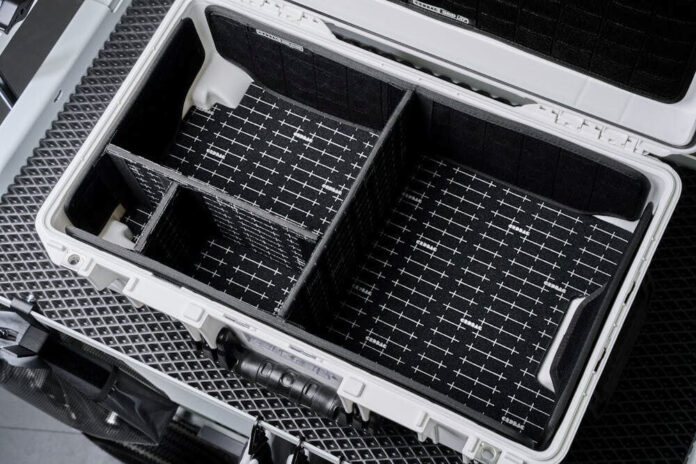
Protecting assets requires more than just a sturdy exterior. A professional Flight Case serves as a comprehensive system for shock absorption and environmental sealing. These units are constructed from birch plywood and aluminium extrusions, providing an ideal strength-to-weight ratio for frequent air and road travel. These protective solutions are often manufactured with custom foam inserts that are shaped to the exact dimensions of the equipment to prevent internal movement.
The utility of these containers extends to organisational efficiency. When every cable, lens, and controller has a designated slot within a CNC-cut foam interior, inventory checks become instantaneous. This level of organisation prevents the loss of small but critical components that often go missing during the frantic pack-down at the end of an event or project.
Optimising Workflow for Production and Event Teams
In the fast-moving environment of live production, time is the most expensive commodity. Equipment that is difficult to access or requires extensive assembly upon arrival slows down the entire crew. Advanced housing solutions allow for ‘in-case’ operation, where gear remains wired and ready to use the moment the lid is removed. This approach minimises the wear and tear on connectors and ports, which are the most common points of failure in technical hardware.
Standardising the external dimensions of a fleet also improves loading efficiency for vans and trucks. Uniformity allows for tighter packing, reducing the risk of items shifting during transit. For operations managers, this means more gear can be moved in fewer vehicles, directly lowering fuel costs and carbon footprints. The integration of heavy-duty castors further assists by allowing a single technician to move hundreds of kilograms of equipment without requiring additional plant machinery or risking manual handling injuries.
Procurement Strategies for Long-Term Durability
When selecting transit solutions, procurement officers must look beyond the sticker price. A cheap container that fails after six months represents a poor return on investment compared to a professional unit that lasts a decade. Evaluating the quality of hardware, such as recessed latches and reinforced ball corners, is vital. These features are specifically included to survive the rough handling typical of airport ground crews and freight forwarders.
Sustainable procurement is also becoming a priority for many UK enterprises. Instead of relying on single-use packaging or low-grade plastics that crack under pressure, investing in timber and metal-based housing supports a circular economy. These units are repairable; handles and wheels can be easily replaced, extending the container’s service life indefinitely. This durability ensures that the primary investment remains protected regardless of how many times it is shipped globally.
Reducing Technical Failures through Environmental Control
Moisture and dust are the silent enemies of electronic components. For businesses operating in varied climates or industrial settings, particulate ingress can lead to overheating or short circuits. Professional transit cases often feature interlocking tongue-and-groove closures that create a weather-resistant seal. This is particularly important for outdoor broadcast teams or engineers working on remote sites where storage conditions are unpredictable.
Thermal management is another factor often overlooked. High-quality foam not only protects against physical impact but also provides some thermal insulation. Rapid temperature changes can cause condensation inside sensitive optics and circuit boards. By slowing down the rate of temperature change, the protective housing prevents moisture from forming on internal surfaces, ensuring the gear is ready for immediate deployment upon arrival.
Improving Health and Safety in the Workplace
Workplace safety is a cornerstone of modern management. Heavy, awkwardly shaped items are a primary cause of strain injuries among technicians and warehouse staff. Properly designed transit cases incorporate ergonomic handle placements and balanced weight distribution. Many models also include stackable wheel plates, which allow multiple units to be moved safely as a single column.
By providing clear labelling surfaces and integrated tracking tags, managers can also improve the safety of the logistics chain. Knowing exactly what is inside a case and its total weight before lifting prevents accidents. This systematic approach to equipment handling fosters a culture of professionalism and care within the team, which reflects positively on the brand when working on client sites.
The Role of Standardisation in Scaling Operations
As a business grows, the complexity of managing assets increases. Standardising the fleet of transit containers allows for a “plug and play” logistics model. New staff members can be quickly trained in loading protocols, and the warehouse layout can be optimised for specific case dimensions. This predictability is essential for companies looking to scale their operations without a corresponding increase in logistical errors.
Digital integration is the next step in this evolution. Many modern containers now feature recessed areas for RFID tags or GPS trackers. This allows facilities managers to monitor the location and movement of their most valuable assets in real-time. Combining physical protection with digital oversight creates a comprehensive asset management strategy that nearly eliminates the risk of total loss or theft.
Conclusion
Protecting professional equipment is a fundamental requirement for maintaining a profitable and reliable business. By focusing on high-grade transit solutions, companies can significantly reduce the costs associated with damage and downtime. The transition from reactive repairs to proactive protection ensures that technical teams can focus on their core tasks rather than dealing with the fallout of broken gear.
Investing in durable, well-engineered housing is a strategic decision that pays dividends in operational speed, employee safety, and long-term financial stability. As demand for mobile technical services continues to rise, businesses that prioritise the integrity of their hardware will lead their respective industries. Efficient logistics start with the right container, providing the peace of mind that every asset is secure from the warehouse to the final destination.