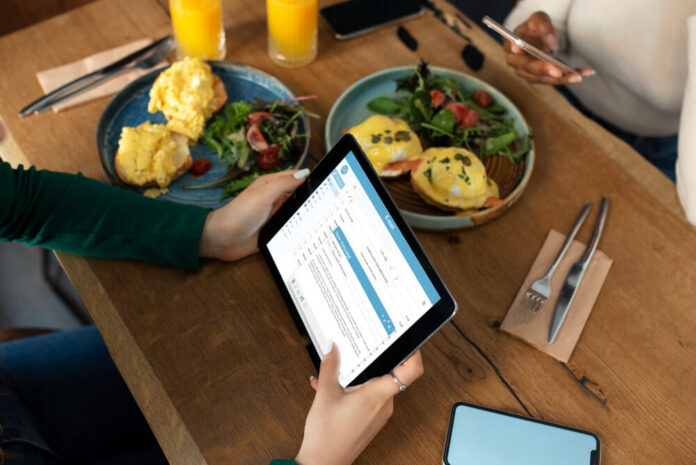

In the restaurant industry, success depends on more than just great food. Atmosphere, service, branding, and presentation all contribute to how customers perceive your business. Among these elements, one of the most powerful — yet often underestimated — tools is the menu. A menu is not simply a list of dishes; it is a strategic marketing instrument that shapes customer decisions and influences overall dining experience.
Many restaurant owners focus heavily on kitchen operations while overlooking how much impact thoughtful presentation can have. However, your menu communicates your brand identity, price positioning, culinary philosophy, and attention to detail before the first dish even reaches the table.
Why Menu Design Matters More Than You Think
When guests sit down, the first thing they interact with is your menu. Within seconds, they begin forming impressions. A cluttered layout, inconsistent fonts, or overwhelming options can create confusion. On the other hand, a clean and well-structured design builds confidence and makes ordering easier.
Psychology plays a key role here. Studies show that customers are drawn to visually highlighted items, boxed sections, or strategically placed recommendations. The way prices are displayed can also influence perception. For example, removing currency symbols or aligning prices subtly can make selections feel less transactional and more experiential.
By creating your restaurant menu design with intention and structure, you are not only organizing dishes — you are guiding choices and shaping the customer journey.
Reflecting Your Brand Through Visual Elements
Your menu should align with your restaurant’s concept. A fine-dining establishment may use elegant typography, minimalist layouts, and refined color palettes. A casual café might opt for playful fonts, vibrant imagery, or hand-drawn accents. A modern fusion restaurant could lean toward sleek design with bold section headings and contemporary graphics.
Consistency across branding elements — such as logos, interior design, staff uniforms, and online presence — reinforces credibility. When everything feels cohesive, customers perceive professionalism and care.
Even material choice matters. Printed menus on thick, textured paper communicate quality. Laminated menus suggest durability and practicality. Digital menus displayed via tablets or QR codes signal innovation and convenience.
Organizing for Clarity and Profitability
Menu engineering is a powerful strategy used by successful restaurants. It involves analyzing which items generate the highest profit margins and positioning them strategically within the layout. Eye-tracking studies reveal that customers typically look at certain “hot spots” on a menu first. Placing high-margin items in these areas can naturally increase sales.
Clear categorization is equally important. Appetizers, main courses, desserts, beverages, and special offers should be visually distinct. Short descriptions help customers understand ingredients and preparation styles, particularly for unique or unfamiliar dishes.
Descriptions should be vivid but concise. Instead of simply listing ingredients, highlight flavor profiles and cooking methods. For example, “grilled salmon” becomes more appealing as “herb-crusted salmon grilled to perfection and served with citrus-infused glaze.”
Balancing Creativity with Simplicity
While creativity enhances appeal, simplicity ensures usability. Overloading a menu with too many options can overwhelm guests, leading to decision fatigue. In some cases, fewer well-curated choices can increase satisfaction and streamline kitchen operations.
Whitespace is your ally. A balanced layout with breathing space between sections improves readability and visual comfort. Consistent typography and alignment prevent the design from appearing chaotic.
Digital menus introduce additional flexibility. Restaurants can update items instantly, adjust pricing, or highlight seasonal specials without reprinting materials. This adaptability supports efficient management and keeps offerings fresh.
Adapting to Modern Dining Trends
Consumer preferences are evolving. Many diners seek transparency regarding ingredients, dietary options, and sustainability practices. Including icons for vegetarian, vegan, gluten-free, or locally sourced dishes adds clarity and convenience.
Additionally, mobile-friendly menus have become increasingly important. Many customers browse menus online before visiting. Ensuring your design translates well to digital formats enhances accessibility and marketing effectiveness.
QR code menus, while originally popularized for safety reasons, now offer ongoing convenience. They reduce printing costs and allow dynamic updates. However, maintaining visual quality remains essential even in digital format.
The Financial Impact of Strong Menu Design
A well-designed menu does more than look attractive — it directly affects revenue. Strategic placement of items, persuasive descriptions, and clear structure encourage higher-value selections. Upselling opportunities, such as pairing suggestions or chef’s recommendations, can increase average order size.
Moreover, a professional menu builds trust. Customers are more likely to perceive pricing as fair when presentation feels polished and intentional.
Conclusion
In the competitive restaurant landscape, every detail contributes to customer experience. A thoughtfully designed menu bridges creativity and strategy, blending visual appeal with psychological insight. It communicates your culinary identity while subtly guiding purchasing decisions.
When approached strategically, menu design becomes a powerful growth tool rather than a simple operational necessity. By investing time and creativity into this essential element, restaurants can enhance brand perception, increase profitability, and create a more memorable dining journey for every guest.