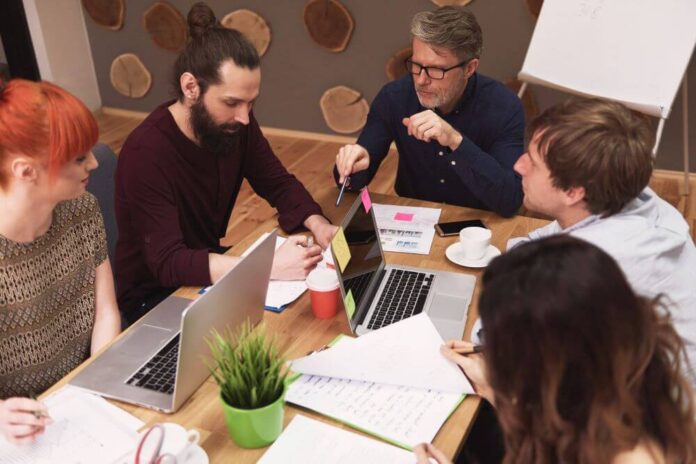

Most companies understand that success is not only about systems, targets, or strategy. It also depends on how well people work together on a daily basis. When employees communicate easily and trust each other, work tends to move faster and with less friction. When that connection is missing, even simple tasks can feel more difficult than they should.
Because of this, many organizations are paying more attention to something that used to be overlooked: shared experiences outside regular work. These are not formal meetings or performance reviews, but simple activities where people can spend time together in a more relaxed way.
This shift has become more noticeable in recent years. With remote and hybrid work becoming common, many employees no longer interact in person every day. While this helps with flexibility, it also means fewer natural conversations and fewer chances to build personal connections.
As a result, companies are looking for ways to bring people together again, even if it is only occasionally.
Why workplace culture matters in the first place
When employees feel comfortable with their coworkers, they are more likely to speak openly. They ask questions more easily, share ideas without hesitation, and solve problems together instead of working in isolation. This kind of environment naturally supports better results.
On the other hand, when people feel disconnected, communication becomes more formal and limited. Teams may still complete their tasks, but collaboration feels slower and less natural. Over time, this can affect morale and productivity.
This is even more noticeable in remote settings. Digital tools help teams stay organized, but they do not fully replace casual conversations that normally happen in an office. Those small interactions often play a big role in building trust.
Shared activities create space for real interaction
One of the simplest ways to improve relationships at work is to give people time to interact without pressure. When employees are taken out of their usual work environment, conversations change and instead of focusing only on deadlines or tasks, people talk more freely. They get to know each other in a more natural way.
This does not require anything complicated. Some places organize group lunches or informal dinners. Others plan volunteer days where teams work together on community projects. Wellness activities like walking challenges or fitness sessions are also common.
Some arrange short trips or retreats. These give employees a break from routine and allow them to interact in a different setting. Outdoor activities are especially effective because they feel open and relaxed. Simple experiences like hiking, team games, or light sports encourage conversation without forcing it.
In many business environments, golf outings are a popular choice for this reason. They last long enough to allow real conversation, but are still structured enough to keep things organized. People can talk while moving through the course, and conversations often flow more naturally than in formal meetings.
During these kinds of events, companies sometimes include small touches that help create a sense of unity. It might be branded accessories like polo shirts customized with a logo, small welcome kits, or even hats, pens and mugs. These details help make the experience feel more coordinated.
What matters most, however, is not what people wear or how the event is styled. It is the time spent together and the conversations that happen during it.
Building familiarity and trust over time
One event can make a positive impression, but the real value comes from repetition. When employees take part in multiple experiences together over time, familiarity naturally builds. People start to recognize each other beyond job roles and become more comfortable speaking, sharing ideas, and working together.
This sense of familiarity often leads to stronger trust. Trust is an important part of any team environment because it reduces hesitation. When people trust each other, they are more willing to collaborate and support one another. Over time, this creates a smoother work environment. There is less confusion, fewer communication gaps, and more cooperation between teams.
Some organizations make this a regular part of their culture. It might be an annual retreat, seasonal gatherings, or smaller monthly events. The key is consistency.
The impact on motivation and retention
A strong internal culture also affects how people feel about staying with a company. Employees are more likely to remain in workplaces where they feel connected to others. Salary and job role matter, but the overall experience of working with a team also plays a big role in long-term satisfaction.
When people feel included and valued, they tend to be more motivated, and they are also more likely to stay engaged during busy or stressful periods. This can also reduce turnover over time. Replacing employees is costly and disruptive, so keeping a stable team is often a priority for businesses.
There is also a performance benefit. Teams that trust each other tend to work more efficiently, communicate faster, make decisions more easily, and handle pressure better when challenges come up.
The long-term value of shared experiences
The effects do not end when the event is over. In many cases, they continue to influence how people work together long afterward.
When employees spend some positive time together, they are more likely to communicate openly in future situations. They are also more likely to support each other during projects and challenges.
This creates a work environment that feels more stable and cooperative. Problems are solved faster because people are not starting from scratch in every interaction. They already have a foundation of trust.
Over time, these can also shape company identity. Employees begin to associate their workplace with more than just tasks and responsibilities. It becomes a place where they have moments and real connections.
That sense of identity can be a powerful factor in building long-term culture.
The Bottom Line
Strong team culture is not built through structure alone. Companies that create opportunities for employees to spend time together outside of daily tasks often see better communication, stronger trust, and improved collaboration. These experiences do not need to be complex or expensive. What matters most is giving people space to interact without pressure.
Over time, this can have a lasting impact. Whether it is a casual group event, a volunteer day, or a sports outing, these moments help people understand each other beyond their roles at work.
In the end, companies that invest in these kinds of connections often build stronger, more stable teams. And stronger teams create better results, not just in the short term, but over time.