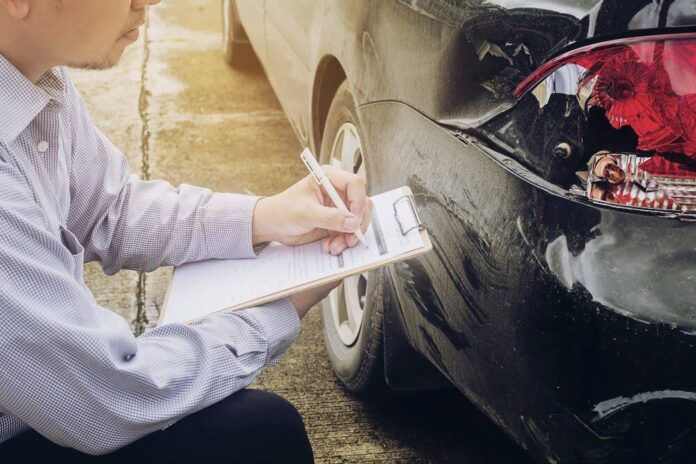

After a car accident in Queens, one question matters more than any other: who was at fault? To prove fault in a Queens car accident case, a person must gather evidence such as police reports, witness statements, photos of the scene, and traffic camera footage to show that another driver violated traffic laws or acted carelessly. New York’s no-fault insurance system covers basic medical bills and lost wages regardless of who caused the crash. However, anyone with serious injuries can step outside that system and file a claim against the at-fault driver’s insurance.
The process to establish fault relies on documentation and facts. Insurance companies review all available evidence to decide who bears responsibility for the accident. Police reports often include the officer’s assessment of what happened and any traffic violations issued at the scene. Photographs capture vehicle damage, skid marks, road conditions, and traffic signals. Witness accounts provide independent perspectives on how the crash occurred.
Queens roads like the Long Island Expressway, Queens Boulevard, and busy intersections in Flushing see thousands of accidents each year. Each case turns on specific details that either support or weaken a fault claim. This article explains the evidence needed to prove fault, the steps to build a strong claim, and how New York law affects the process from start to finish.
Proving Fault in a Car Accident Case in Queens
New York’s no-fault insurance system covers basic expenses, but victims with serious injuries can pursue claims against the responsible driver. This requires proper documentation and a clear understanding of state negligence laws.
Understanding New York Negligence Laws
New York operates under a pure comparative negligence system. This means a driver can recover damages even if they share partial responsibility for the accident. However, the compensation decreases by their percentage of fault.
For example, if a driver suffers $100,000 in damages but bears 30 percent responsibility, they receive $70,000. The law allows recovery regardless of fault percentage, unlike other states that bar recovery above certain thresholds.
To step outside no-fault insurance and file a liability claim, the victim must meet New York’s serious injury threshold. This includes fractures, significant disfigurement, permanent loss of body function, or other severe conditions. Without meeting this standard, the victim remains limited to no-fault benefits.
Many car accident lawyers in Queens at Davidoff Law help victims demonstrate both negligence and serious injury status. The Vehicle and Traffic Law and Traffic Rules of the City of New York establish which driver violated traffic regulations. These violations often serve as the foundation for fault determination.
Key Evidence to Establish Liability
Strong evidence makes the difference between a successful claim and a denied one. Photographs of vehicle damage, skid marks, traffic signals, and road conditions provide visual proof of how the crash occurred. These images should capture vehicle positions immediately after impact.
Witness statements add credibility to the victim’s account. Independent observers who saw the collision can verify traffic light colors, driver behavior, and other disputed facts. Contact information must be collected at the scene.
Medical records link injuries directly to the accident. Prompt treatment creates a documented timeline that shows the crash caused the harm. Gaps in treatment can weaken a claim, as insurers argue injuries stemmed from other sources.
Traffic camera footage and surveillance video from nearby businesses offer objective evidence. Cell phone records may prove the other driver was distracted. Vehicle black box data can show speed and braking patterns before impact.
Role of Police Reports in Determining Fault
Police reports provide an official accident record. Officers document the scene, interview drivers and witnesses, and note traffic violations. Their observations carry significant weight in insurance negotiations and court proceedings.
The report typically includes a diagram showing vehicle positions and travel directions. Officers may issue citations to the driver who violated traffic laws. These violations create a presumption of negligence that the cited driver must overcome.
However, police reports are not always conclusive. Officers arrive after the crash and rely on available information at that moment. Disputed facts require additional investigation and evidence. Insurance companies conduct their own reviews and may disagree with police findings.
New York law gives victims 30 days to file a no-fault claim for basic benefits. This deadline is strict, and failure to meet it can result in claim denial. The police report number and details help expedite this process. Beyond no-fault benefits, victims pursuing liability claims need the report to support their case against the responsible party.
Steps to Strengthen Your Car Accident Claim
Strong evidence and careful documentation make the difference between a successful claim and a denied one. The right steps taken immediately after an accident help establish clear fault and protect legal rights.
Documenting the Accident Scene
Photographs serve as the most powerful evidence in any car accident case. Victims should take multiple photos of vehicle damage from different angles, skid marks on the road, traffic signals, street signs, and the overall accident location. These images preserve details that fade from memory or disappear as repairs begin.
Video footage adds another layer of proof. Dashcam recordings, nearby security cameras, and traffic cameras often capture the moments before, during, and after a collision. Accident victims should request this footage quickly, as most systems delete recordings after 30 days.
Physical evidence matters too. License plate numbers, insurance information, and driver’s license details from all parties involved must be recorded. The exact time, date, weather conditions, and road conditions should be noted in writing. Even small details like posted speed limits or nearby construction zones can support a claim later.
Damage to vehicles tells a story about impact force and direction. Paint transfers, dents, broken glass, and displaced parts help accident reconstruction experts determine how the crash occurred. This evidence contradicts false statements from other drivers or insurance adjusters.
Collecting Witness Statements
Neutral third-party accounts often carry more weight than statements from drivers involved in an accident. Bystanders, pedestrians, passengers in other vehicles, and people in nearby buildings can provide objective perspectives on what happened. Their contact information should be collected at the scene before they leave.
Witnesses should describe what they saw in their own words. The statement should cover where they stood, what they observed before the collision, the moment of impact, and immediate aftermath. These accounts need to be recorded as soon as possible because memories become less accurate over time.
Police officers who respond to accidents act as official witnesses. Their reports include observations about vehicle positions, damage patterns, road conditions, and driver behavior. Officers sometimes cite traffic violations or note if a driver appears impaired. A copy of this police report becomes a foundation for the entire claim.
Passenger statements from vehicles involved in the accident also help. They can verify speed, confirm if a driver was distracted, or identify who had the right of way. However, insurance companies may view these witnesses as biased, so independent witness accounts remain more valuable.
Working With Insurance Companies
Insurance adjusters work to minimize payouts, not maximize them. They may contact accident victims quickly after a crash and ask for recorded statements or request medical releases. Victims should avoid providing detailed statements without legal guidance, as these comments can be used to reduce compensation later.
All communication with insurance companies should be documented in writing. Emails provide better records than phone calls. If a phone conversation occurs, victims should take notes about who spoke, what was discussed, and any claims or promises made by the adjuster.
Medical records must link injuries directly to the accident. Victims should seek treatment immediately after a crash, even for minor pain or discomfort. Gaps in medical treatment give insurance companies ammunition to argue that injuries were not serious or came from another source. Every doctor visit, prescription, and therapy session should be documented with receipts and records.
Repair estimates and bills demonstrate property damage costs. Victims should obtain multiple estimates from licensed repair shops to ensure the insurance company’s valuation matches actual repair costs. Original receipts for towing, rental cars, and other accident-related expenses must be saved and organized for reimbursement claims.
Conclusion
Proving fault in a Queens car accident case requires solid evidence and a clear understanding of New York traffic laws. Victims should gather police reports, witness statements, photos, and any available video footage from the scene. These pieces of evidence help establish which driver violated traffic rules or acted carelessly.
However, the process can be complex, and insurance companies often try to reduce payouts. A car accident lawyer can help build a strong case and handle negotiations to secure fair compensation for medical bills, lost wages, and property damage.