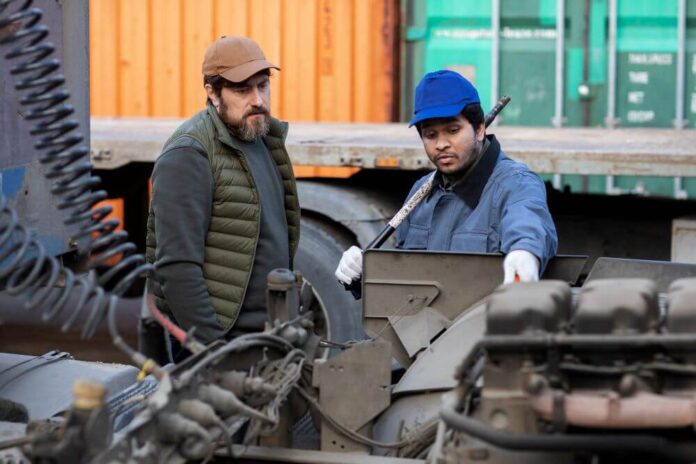

Wear in heavy duty engines and machinery rarely appears all at once. It builds slowly, through heat, friction, load, contamination, and long service hours. Changes in sound, performance, oil condition, or vibration often show up before major failure. That is why operators, fleet managers, and technicians need to recognize early warning signs. Catching wear early can reduce downtime, limit repair costs, and keep critical equipment working reliably every day.
Why Early Wear Signs Matter in Heavy Duty Equipment
In heavy duty diesel engines, small wear issues can spread quickly because so many systems work under constant stress. A problem such as a worn camshaft lobe can affect valve timing, airflow, combustion quality, and engine response long before complete failure occurs. When wear is missed, the result is often a larger repair that affects uptime and parts costs. Paying attention to early warning signs gives technicians more time to inspect the machine, confirm the root cause, and protect other components from secondary damage.
Power Loss Often Points to Internal Wear
One of the first signs of wear is a noticeable drop in performance. Machines may feel slower under load, less responsive, or weaker during acceleration. In some cases, the issue comes from fuel delivery or air management, but internal wear can also play a major role. Camshaft lobe wear, worn injectors, damaged valve train parts, or declining compression can all reduce power. In equipment powered by a dd13 engine, a Dd15, or other heavy duty engines, these symptoms should never be dismissed as normal aging without inspection.
Unusual Noise Should Never Be Ignored
Abnormal sounds are another strong warning sign. Ticking, knocking, grinding, or uneven mechanical noise often indicates that components are no longer moving as they should. Worn bearings, damaged valve train parts, injector issues, and timing related problems can all change engine sound. In Detroit diesel applications, a change in sound under load may point to wear that is starting to affect performance. Operators who know how their equipment normally sounds are often the first to catch a developing problem before it leads to a serious breakdown.
Oil Condition Can Reveal What the Engine Is Hiding
Oil tells an important story about engine condition. If oil becomes contaminated too quickly, carries metal particles, or starts showing abnormal consumption, there is often wear somewhere in the system. Internal friction leaves traces, and those traces can show up during routine service. This is especially important in Detroit diesel engines and other high output platforms where lubrication quality directly affects durability. Regular oil analysis can help confirm whether wear is accelerating, whether contamination is present, and whether a larger inspection is needed before damage becomes more severe.
Smoke, Heat, and Efficiency Changes Are Common Clues
Excess smoke, rising temperatures, and declining fuel efficiency often signal that wear is changing how the engine burns fuel. Poor combustion can come from injector issues, airflow restrictions, compression loss, or valve train wear. Over time, these problems may cause more heat stress across the engine. Heavy duty diesel engines that begin smoking more than usual or running hotter under the same workload deserve close attention. Even when the machine still runs, these changes can signal that wear is already affecting reliability and cost.
Vibration and Rough Operation Usually Mean Something Has Changed
Wear often changes how smoothly an engine or machine runs. Increased vibration at idle, rougher operation under load, or a new harshness through the chassis can all indicate worn internal or rotating components. These symptoms may come from misfire conditions, worn mounts, drivetrain imbalance, or engine related wear that is beginning to spread. For machines that spend long hours in demanding environments, vibration should be treated as a real diagnostic clue. The longer it is ignored, the more surrounding components may be affected.
Better Inspections Help Prevent Bigger Repairs
The best way to manage wear is to catch it early through consistent inspection and maintenance. That means checking oil condition, watching temperatures, listening for sound changes, and responding quickly when performance shifts. It also means using the correct replacement parts when repairs are needed, whether those components come from dealers, rebuilders, or highway heavy parts suppliers. Wear will always be part of equipment life, but serious failure does not have to be. Better inspections help teams protect uptime, control repair costs, and keep critical machinery working longer.
Conclusion
Signs of wear in heavy duty engines and machinery often appear gradually, but they should never be treated lightly. Power loss, abnormal noise, oil contamination, smoke, heat, and vibration are all warnings of internal wear. When technicians act early, they have a better chance of correcting the issue before it becomes a larger failure. In demanding equipment, reliability depends on noticing signs before they turn into downtime.