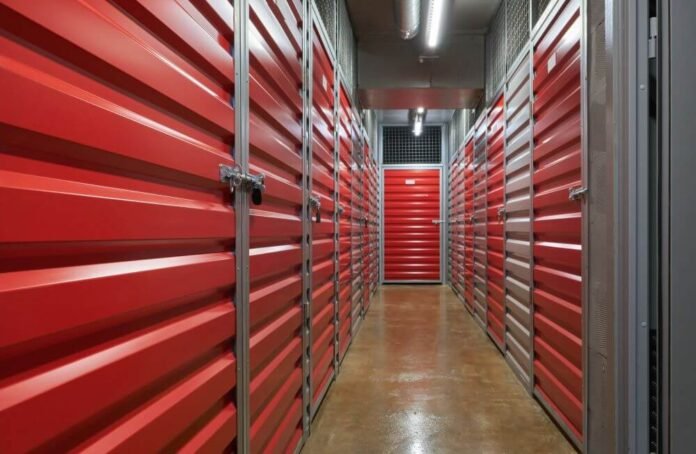

Abandoned storage units hold secrets. Every month, facilities across America auction off contents when renters stop paying. Treasure hunters flock to these sales. They hope to strike gold among forgotten belongings.
The Appeal of the Unknown
Imagine an unopened storage unit. The door rolls up. Bidders crane necks, squinting past cobwebs and dust. They get five minutes to look. Maybe ten if the auctioneer feels generous. What do they see? Boxes stacked like Tetris blocks. Couch covered in plastic. Occasionally, there’s a hopeful sign. An old guitar case. A stack of paintings against the wall. But mostly it’s shadows and guesswork. The real discovery comes after winning the bid. That’s when the gambling pays off. Or doesn’t.
Some folks compare it to buying scratch-off tickets. Except here, you actually use skill. Seasoned hunters know things. They recognize quality furniture by the wood grain. They spot designer labels from across the room. After hundreds of auctions, patterns emerge.
From Hobby to Business
Storage auctions attract all types. Retirees looking for weekend excitement. College students needing extra cash. Small business owners sourcing inventory. What starts as curiosity often becomes something bigger. Take furniture flipping. A beat-up dresser bought for $50 might sell for $400 after some sandpaper and stain. Tools hold their value incredibly well. Power saws, drill sets, welding equipment. Contractors pay good money for quality gear. Then there’s the wild card items. Comic book collections. Vintage toys still in boxes.
The internet changed everything about reselling. Price checks happen instantly. Photos upload in seconds. That ugly vase? Could be worth hundreds to the right collector. Apps connect sellers with buyers who actually want their stuff. No more garage sales hoping neighbors show up.
The Digital Revolution
Finding auctions used to mean phone calls and newspaper ads. Hunters drove around checking facilities, wasting gas on dead ends. Now everything lives online. Auction listings pop up on smartphones. Hunters track sales across entire counties. Some platforms even let you bid from your couch. Lockerfox revolutionized this space with online storage auctions that connect bidders nationwide. Instead of racing between facilities, hunters browse units from multiple states, expanding their territory exponentially. The old guard grumbled at first. But convenience won. More auctions mean more chances to score.
Digital tools help with research too. That painting in the corner? Reverse image search might reveal its origin. Vintage electronics? Forums full of collectors share pricing data. Knowledge that once took years to build now downloads instantly.
Skills That Pay the Bills
Good hunters work like detectives. They study markets obsessively. Antique trends. Sneaker values. Which power tools contractors prefer. Information equals profit. But book smarts only go so far. You need a strong back. Units must be cleared fast, usually within two days. That means loading trucks in summer heat. Sorting through mystery boxes covered in mouse droppings. Hauling furniture down three flights of stairs. It’s dirty work.
Organization separates professionals from weekend warriors. Tracking inventory across multiple units. Managing cash flow between auctions and sales. Dealing with customers who haggle over everything. Some hunters run operations like small businesses because that’s exactly what they become.
Conclusion
Storage auctions offer something rare. Adventure with profit potential. Every sale brings possibility. Not every unit pays off. Most don’t, actually. But hunters keep coming back for that rush when they find something special. The industry keeps expanding as Americans rent more storage space. Default rates stay consistent, creating steady auction inventory. For anyone willing to learn the game, opportunities exist. Side hustle or full-time gig. The choice is yours. Tomorrow’s forgotten treasure waits behind some roll-up door. Maybe you’ll be the one who finds it.