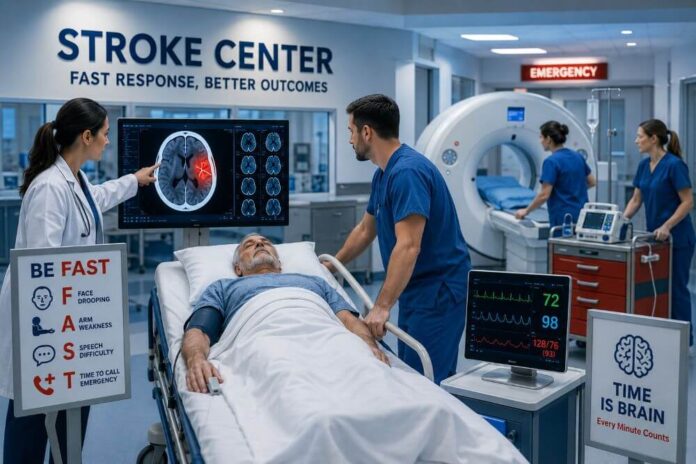

When a medical emergency such as a stroke occurs immediate treatment can mean the differences between recovery and permanent damage. A professional Stroke Center provides specialized emergency care designed to diagnose and treat stroke patients as quickly as possible. These advanced medical facilities combine expert neurologists, modern imaging technology and rapid response treatment protocols to improve patient outcomes and reduce life threatening complications.
An advanced stroke treatment center focuses on saving brain function and preventing long term disability. During severe cases bleeding inside the brain may create dangerous pressure that damages healthy tissue. If left untreated this condition can become fatal within a short period. Specialized stroke care teams work around the clock to provide emergency intervention, monitor brain activity and support recovery through advanced rehabilitation programs.
Understanding How a Stroke Affects the Brain
A stroke happens when blood flow to the brain is interrupted or when bleeding occurs inside the brain. Without enough oxygen and nutrients brain cells begin to die within minutes. Because the brain controls movement, speech, memory and breathing even small amounts of damage can have serious effects on the body.
There are two major types of strokes:
Ischemic Stroke
This is the most common type and occurs when a blood clot blocks an artery supplying blood to the brain. Reduced blood flow damages brain tissue rapidly if treatment is delayed.
Hemorrhagic Stroke
This type occurs when a blood vessel ruptures and causes bleeding inside the brain. The bleeding creates pressure on surrounding tissue which can lead to severe complications and permanent injury.
Both conditions require emergency medical attention. Fast diagnosis and treatment greatly increase the chances of survival and recovery.
Why Brain Pressure During a Stroke Is Dangerous
In severe hemorrhagic strokes bleeding inside the brain forms a collection of blood known as a hematoma. As the hematoma expands it pushes against healthy brain tissue and increases pressure inside the skull. Since the skull cannot expand, the growing pressure compresses important parts of the brain.
If the pressure becomes too high the brain may begin moving downward toward the base of the skull. This condition is called brain herniation. Herniation can crush the brainstem which controls critical automatic functions such as breathing, heartbeat and consciousness. Without immediate treatment this condition may cause rapid and irreversible death.
This is why rapid care at a certified stroke facility is so important. Emergency specialists monitor brain pressure closely and use advanced treatments to prevent further damage.
Signs and Symptoms of a Stroke
Recognizing stroke symptoms early allows doctors to begin treatment before severe brain injury occurs. Many people delay seeking help because they do not recognize the warning signs.
Common symptoms include:
- Sudden weakness or numbness in the face, arm or leg
- Difficulty speaking or understanding words
- Loss of balance or coordination
- Sudden confusion
- Severe headache with no clear cause
- Blurred or lost vision
- Dizziness or trouble walking
Doctors encourage people to remember the FAST warning method:
- F; Face drooping
- A; Arm weakness
- S; Speech difficulty
- T; Time to call emergency services
Immediate action can save brain tissue and improve survival chances.
Features of an Advanced Stroke Center
Not every hospital is fully equipped to manage complex stroke emergencies. Advanced Stroke Center provides specialized services that improve speed, accuracy and patient care.
24\7 Hour Emergency Stroke Teams
Dedicated teams of neurologists, nurses, radiologists and emergency physicians remain available day and night to respond immediately to stroke patients.
Advanced Brain Imaging Technology
Modern CT scans and MRI imaging help doctors identify bleeding, blood clots and brain swelling within minutes. Quick imaging allows physicians to choose the safest and most effective treatment.
Intensive Brain Monitoring
Specialists monitor brain pressure, oxygen levels and neurological function continuously. Early detection of dangerous changes can prevent life threatening complications.
Minimally Invasive Stroke Procedures
Some patients benefit from advanced procedures such as clot removal or surgical treatment to relieve pressure inside the skull. These procedures improve blood flow and reduce damage to healthy brain tissue.
Comprehensive Rehabilitation Services
Recovery often continues long after emergency treatment ends. Rehabilitation programs help patients rebuild strength, communication skills and independence.
Importance of Fast Stroke Treatment
Time is one of the most critical factors during a stroke emergency. Brain cells begin dying within minutes after oxygen supply stops. Rapid treatment can reduce disability and improve long term recovery.
For ischemic strokes doctors may use cloth dissolving medication if the patient arrives quickly enough. In some situations specialists remove blood clots using catheter based procedures that restore blood flow to the brain.
For hemorrhagic strokes treatment focuses on controlling bleeding, reducing swelling and lowering pressure inside the skull. Emergency surgery may be necessary in severe cases to remove blood buildup and prevent brain herniation.
The faster treatment begins the greater the chances of preserving brain function.
Stroke Recovery and Rehabilitation
Recovery from a stroke depends on the severity of brain damage, the speed of treatment and the patient’s overall health. Some individuals recover fully while others may require long term therapy and support.
Physical Therapy
Physical therapists help patients improve mobility, strength and balance after a stroke.
Speech and Language Therapy
Stroke related brain damage may affect speaking, swallowing or communication skills. Speech therapists guide patients through exercises to improve daily communication.
Occupational Therapy
Occupational therapists help patients relearn daily tasks such as eating, dressing and bathing independently.
Emotional and Mental Support
Many stroke survivors experience anxiety, depression or emotional stress. Mental health counseling and support groups play an important role in long term recovery.
Family involvement also supports better rehabilitation outcomes and emotional healing.
Preventing Future Strokes
After surviving a stroke, preventing another one becomes extremely important. Doctors often recommend lifestyle changes and medical treatment to reduce risk factors.
Helpful prevention strategies include:
- Controlling blood pressure
- Managing diabetes and cholesterol
- Exercising regularly
- Eating a heart healthy diet
- Avoiding smoking and excessive alcohol
- Taking medications exactly as prescribed
- Attending regular medical checkups
Preventive care can significantly lower the risk of another stroke and improve long term health.
Choosing the Right Stroke Care Facility
Selecting the right hospital can make a major difference during a stroke emergency. Families should look for healthcare facilities with experienced stroke specialists, advanced technology and strong rehabilitation services.
Important qualities include:
- 24/7 emergency stroke care
- Certified neurologists and neurosurgeons
- Rapid imaging and diagnosis
- Intensive care monitoring
- Comprehensive rehabilitation programs
- Proven patient recovery outcomes
Advanced stroke facilities are specifically designed to handle both common and life threatening stroke complications quickly and effectively.
Conclusion
Stroke emergencies require immediate medical attention and expert care. Delayed treatment can lead to permanent brain damage, disability or death. Advanced medical facilities provide rapid diagnosis, specialized treatment and continuous monitoring to protect brain functions and improve recovery outcomes.
Serious complications such as brain swelling and herniation highlight the importance of seeking emergency care immediately after symptoms appear. Early intervention, advanced technologies and professional rehabilitation services give patients the best chance for survival and long term recovery. Choosing experienced stroke specialists can truly save lives during these critical medical emergencies.